 comparison
Is a Vacuum Compression Backpack Worth It?
Table of Contents
- How Vacuum Compression Backpacks Work
- Vacuum Compression Backpack Pros and Cons
- Do Vacuum Compression Bags Really Work?
- Vacuum Compression Backpack vs Regular Backpack
- Carry-On Size and Airline Compliance
- Who Benefits Most From Compression Backpacks
- The Real Value: Is It Worth Your Money?
- Frequently Asked Questions
Last Updated: October 5, 2026
How Vacuum Compression Backpacks Work
A vacuum compression backpack is a travel bag that uses sealed compartments and an air pump to remove air from packed items, significantly reducing bulk and increasing usable storage space. The system works by compressing soft items like clothing, sleeping bags, and jackets into airtight sections, allowing you to fit substantially more gear into the same physical dimensions.
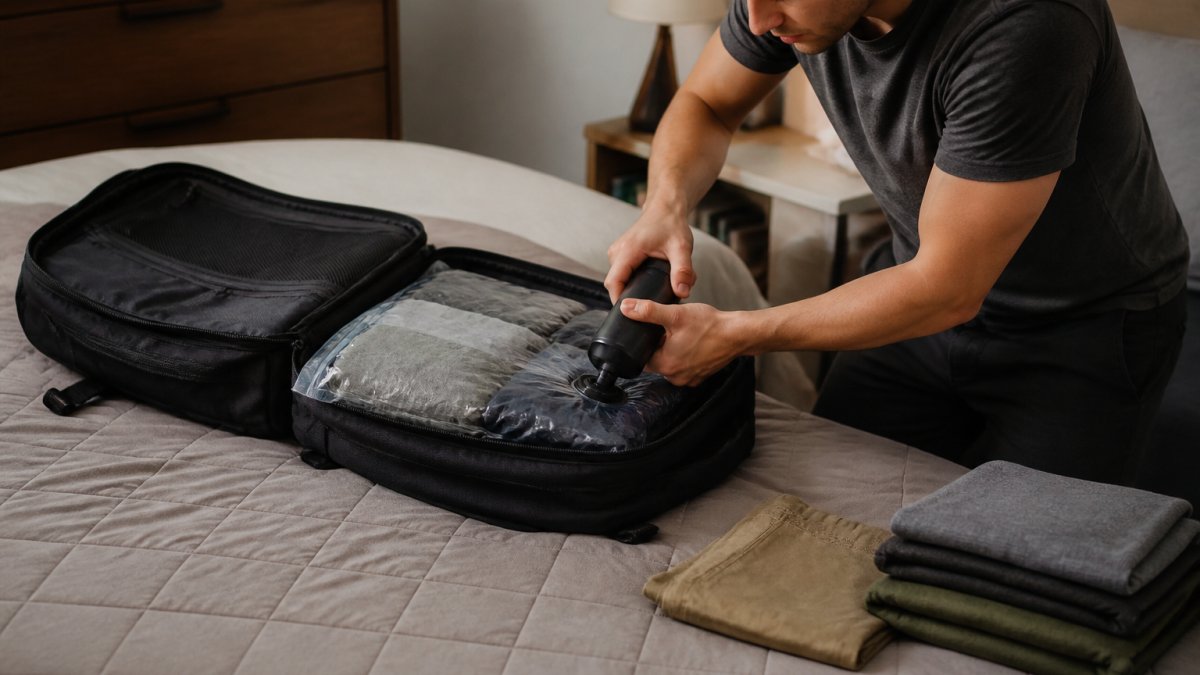
The mechanics are straightforward. You pack your items into designated compression compartments, then use the included manual air pump to extract air through one-way valves. As air leaves the sealed section, the fabric contracts around your belongings, creating a denser, more compact bundle. When you need access to items during your trip, you simply open the compartment and the clothes re-expand to normal volume.
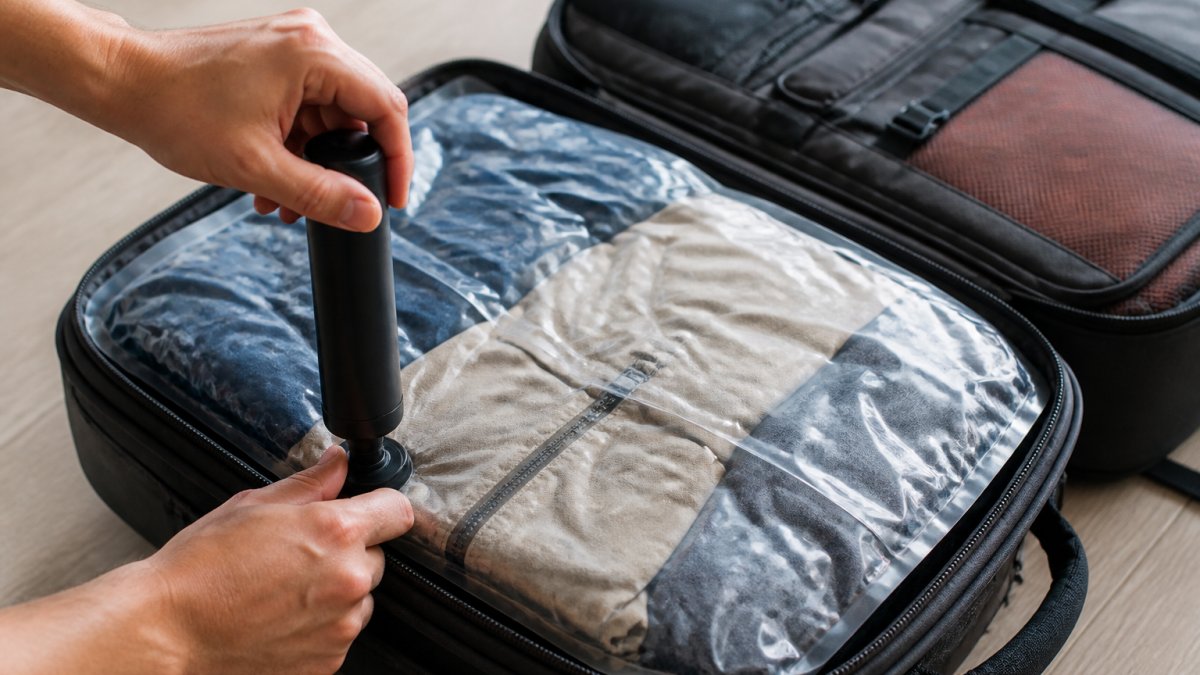
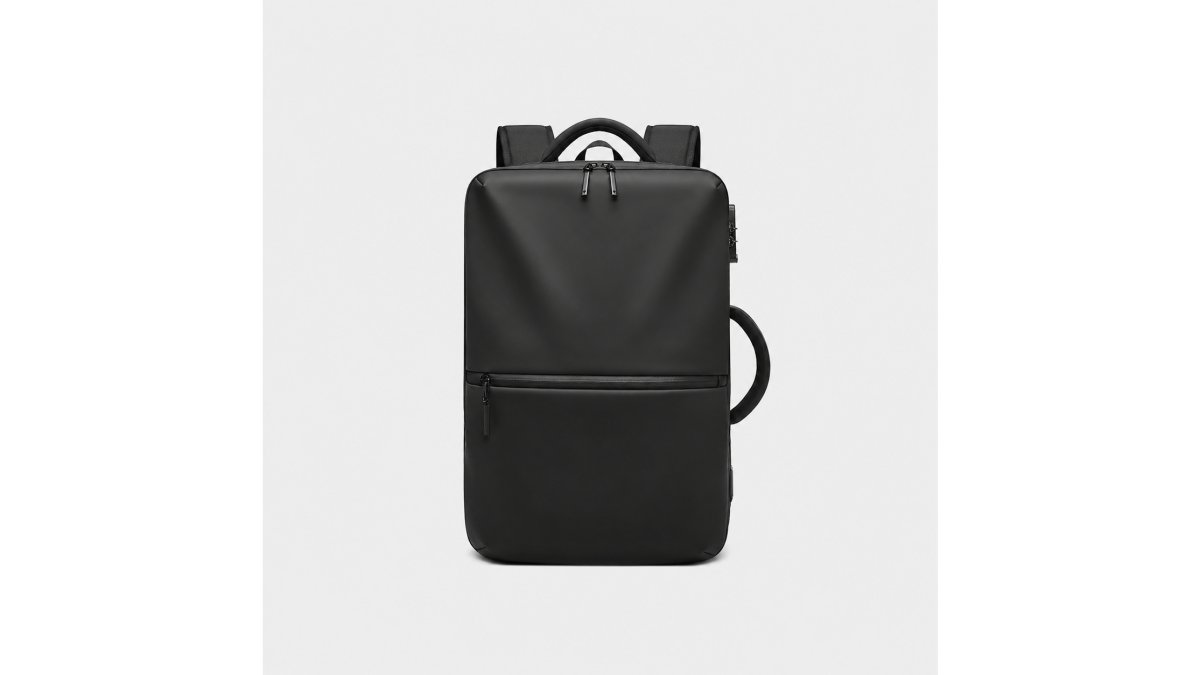
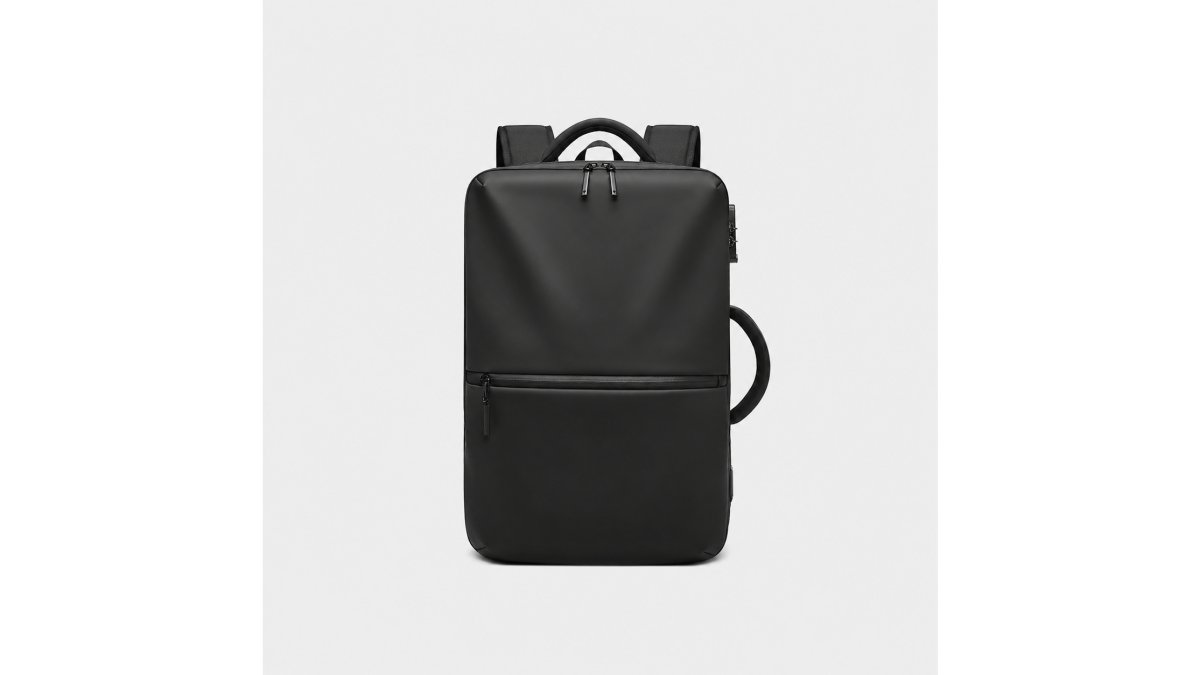
Most modern designs include multiple compression zones so you can organise items by category while maintaining the space-saving benefit. The pump typically attaches magnetically or clips to the backpack for easy access without risking loss. VentureBuilt Co.'s vacuum compression backpack, for instance, features an integrated air pump and multiple sealed compartments designed specifically for the compression workflow, making the process intuitive even during frequent packing and unpacking cycles.
Vacuum Compression Backpack Pros and Cons
Compression backpacks deliver genuine benefits for certain travel styles, but they're not universally superior to traditional luggage. Understanding the real trade-offs helps you decide whether the investment makes sense for your journeys.
Advantages:
- Significant packing capacity increase: Soft items compress dramatically.
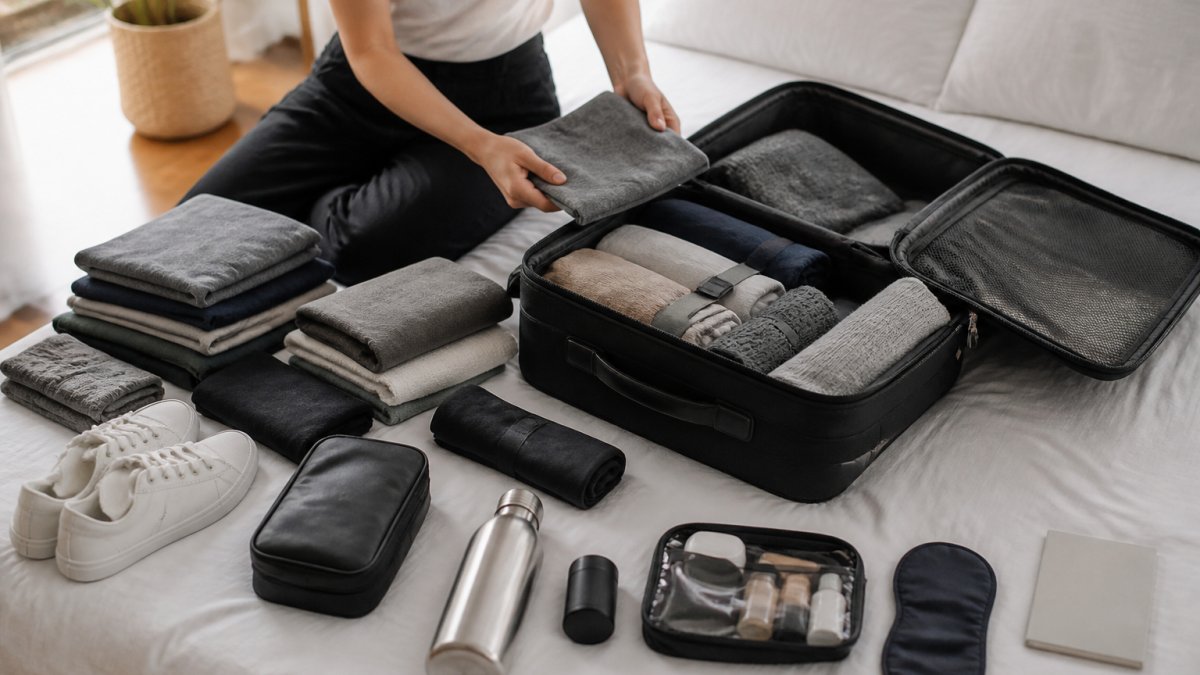
- Organised compartmentalisation: Dedicated compression zones keep clothes separated from electronics, documents, and wet items, reducing the chaos of rummaging through a single large bag.
- Lighter overall load: By eliminating wasted air space, you reduce the total weight you carry, which matters on long treks or when you're walking between accommodation and transport hubs.
- No additional gear required: Unlike packing cubes, which demand separate purchases and still don't compress, a vacuum backpack includes everything you need.
- Improved weight distribution: Compressed items sit more densely against your back, creating better balance and reducing strain on shoulders during extended wear.
Disadvantages:
- Pump durability concerns: Manual pumps experience wear from repeated use. The valve mechanism can develop slow leaks, and the pump handle itself can crack if dropped or packed carelessly. Replacement pumps are available but add to ongoing costs.
- Slower packing and unpacking: Compression takes time. You can't simply toss items in and zip it closed. If you're changing accommodation every night or frequently accessing items mid-journey, the extra steps become tedious.
- Limited compression on harder items: Electronics, books, toiletries, and structured gear don't compress. Your actual capacity gains depend entirely on how much soft clothing you're packing.
- Potential fabric stress: Repeated compression cycles can stress seams and fabric panels, particularly in budget models. Quality construction matters significantly for longevity.
- Overkill for casual travelers: If you take one international trip annually or prefer organised luggage, the compression feature may sit unused while you pay a premium for it.
Do Vacuum Compression Bags Really Work?
The short answer: yes, they compress items effectively, but the real-world benefit depends heavily on what you're packing and how you travel.
Compression does reduce volume. Clothing, sleeping bags, and soft gear compress reliably when air is removed. However, the percentage of space saved varies. A backpack full of t-shirts and underwear compresses more dramatically than one containing structured items like laptops, shoes, and toiletries. The "double your packing capacity" claims you'll see in marketing are optimistic.
What matters more than the compression percentage is whether the compressed backpack still fits airline carry-on dimensions. A 32-litre bag that compresses to 25cm depth sounds useful until you realise your airline's carry-on limit is 22cm. The backpack still fits in the overhead bin, but you've gained little practical advantage if you're already within size limits.
The durability question is real. Air retention degrades over time.
Vacuum Compression Backpack vs Regular Backpack
The choice between a compression backpack and a traditional backpack hinges on your travel frequency, packing habits, and what you prioritise in luggage.
A regular backpack offers simplicity and reliability. You pack items, zip it closed, and go. There's no maintenance, no pump to worry about, and no learning curve. If you're a casual traveler taking one trip annually or prefer structured luggage, a quality regular backpack handles your needs without unnecessary features. They're also typically lighter than compression models because they lack sealed compartments and pump mechanisms.
A vacuum compression backpack adds complexity but delivers real benefits if you travel frequently and pack soft items. The compression system pays for itself if you fly multiple times yearly and consistently hit baggage weight or size restrictions. The organisation benefits, separate compartments for clothes, electronics, documents, and wet gear, matter more to frequent travelers than the compression itself.
The practical difference emerges on long trips. A solo backpacker spending three months traveling needs every litre of capacity and wants lightweight gear. A business traveler making six trips annually with mostly structured luggage (laptop, documents, toiletries) gains little from compression.
| Factor | Regular Backpack | Vacuum Compression Backpack |
|---|---|---|
| Setup time | Seconds | 2-3 minutes per compression cycle |
| Maintenance | Minimal | Pump inspection, valve checks |
| Capacity for soft items | Standard | 30-40% more with compression |
| Weight | Generally lighter | Heavier due to pump and seals |
| Durability | Proven | Depends on seal and valve quality |
| Cost | Lower | Premium pricing |
| Best for | Casual travel, structured gear | Frequent travel, soft-item packing |
Carry-On Size and Airline Compliance
This is where vacuum compression backpacks often disappoint in practice. The compressed dimensions matter far more than the uncompressed capacity.
Most airlines allow carry-on bags within 56 x 36 x 23 centimetres. A 32-litre backpack typically measures around 32cm height x 20cm width x 20cm depth when uncompressed. However, if your backpack is already at the maximum height and width, compression only helps with depth, and that gain might be marginal.
The weight matters equally. A fully compressed backpack can weigh 8-10kg depending on contents. If your airline enforces strict 7kg carry-on weight limits, you'll need to repack regardless of compression gains. Check your specific airline's dimensions and weight allowances before assuming compression solves your baggage problem.
VentureBuilt Co. provides detailed specifications for their vacuum compression backpack, including exact dimensions after compression, so you can verify fit against your airline's requirements before purchasing. This transparency matters because misleading dimension claims are common in the travel gear industry.
Who Benefits Most From Compression Backpacks
Not every traveler needs a vacuum compression backpack. The investment makes sense for specific travel profiles.
Solo backpackers and extended-trip travelers benefit significantly. If you're spending two months on the road with one bag, every litre of capacity matters. Compression lets you pack a genuine wardrobe instead of rotating three shirts, and the weight savings accumulate over weeks of walking between hostels and transport hubs.
Frequent business travelers who pack soft items, dress shirts, trousers, casual wear, see practical value. The compression keeps clothes organised separately from electronics and documents, reducing wrinkles and making airport security screening faster.
Adventure travelers and hikers gain from the organisation and weight reduction. Separating wet gear, clean clothes, and equipment into distinct compression zones prevents cross-contamination and makes camp setup more efficient.
Casual vacationers taking one trip annually rarely justify the cost. A quality regular backpack or suitcase handles annual trips adequately, and the compression feature sits unused.
Minimalist packers who travel with five days' worth of clothing and lightweight gear may find compression unnecessary. If you're already packing efficiently, compression offers marginal gains.
The key question isn't "Is compression cool?" but "Do I pack soft items frequently enough to justify the cost and maintenance?" If your answer is yes, a vacuum compression backpack delivers genuine value. If you're uncertain, a regular backpack remains the safer choice.
The Real Value: Is It Worth Your Money?
Whether a vacuum compression backpack justifies its cost depends on your travel frequency, packing habits, and what you're comparing it against.
For frequent travelers (6+ trips yearly): The investment makes sense if you consistently pack soft items and encounter baggage restrictions. The organisation benefits alone, separate compartments for clothes, electronics, and toiletries, improve the travel experience.
For occasional travelers (1-2 trips yearly): A regular backpack or suitcase is more practical. The compression feature won't justify the premium pricing if you use it once annually. Your money is better spent on durability and comfort than features you'll rarely activate.
For extended solo travel (months-long trips): Compression becomes essential. The capacity gains and weight savings compound over weeks of continuous travel. The organisation benefits matter even more when you're living out of one bag for extended periods.
The real comparison isn't compression backpack versus nothing, it's compression backpack versus packing cubes, versus a larger regular backpack, versus a quality suitcase. Packing cubes organise items without reducing volume. A larger regular backpack adds weight but requires no maintenance.
VentureBuilt Co.'s vacuum compression backpack features an integrated pump, sealed compartments, and expandable storage design. The value proposition hinges on whether you'll actually use compression regularly enough to justify the premium over a standard backpack.
The decision ultimately comes down to honest self-assessment. If you genuinely travel multiple times yearly with soft-item packing, a vacuum compression backpack delivers measurable benefits in capacity, organisation, and weight distribution.
At VentureBuilt Co., we've designed our vacuum compression backpack for travelers who value both practical functionality and dependable quality. The integrated air pump, expandable storage, and dedicated compartments for laptops, documents, and wet items work together to simplify packing on extended journeys.
Frequently Asked Questions
Do vacuum compression bags really work?
Yes, vacuum compression bags reduce clothing volume by forcing air out, typically compressing soft items like jackets and spare clothes by 30-50%. However, the actual space savings depend on what you pack. Dense items like shoes and electronics compress minimally. The compression system works best for extended travel where you're packing multiple outfits and bulky layers. Results are most noticeable when you're trying to fit more into a carry-on or minimise total backpack weight.
Are vacuum compression backpacks suitable for carry-on travel?
Vacuum compression backpacks can meet carry-on dimensions after compression, but you must verify actual weight and final dimensions. Compressed backpacks are lighter than overstuffed traditional ones, but the total weight depends on how much you pack. Always check your airline's specific carry-on limits before travel. A fully compressed backpack may fit the size requirement but still exceed weight restrictions if you've packed densely. Measure and weigh your packed bag before heading to the airport.
What are the main drawbacks of using a vacuum compression backpack?
The manual pump can break or get lost during frequent travel, and air gradually re-enters the bag over time, reducing compression benefits on longer trips. Compressed clothes wrinkle more and take longer to air out. The backpack itself is heavier than non-compression models due to the sealed compartments and pump. If you're a casual traveler taking one trip per year, the added complexity may not justify the space savings. Durability of the compression seals is also a concern with rough handling.
How does a vacuum compression backpack compare to packing cubes or regular backpacks?
Packing cubes organise items without reducing volume, making them lighter and simpler but offering no space savings. Regular backpacks are more durable but require careful packing to maximise space. Vacuum compression backpacks save the most space but add weight, and require maintenance of the pump and seals. For one-bag travel and minimalist packing, compression backpacks offer genuine advantages. For casual weekend trips or day hikes, a regular backpack with good organisation may be sufficient.